Designing for Longevity: The Next Generation of Senior Living
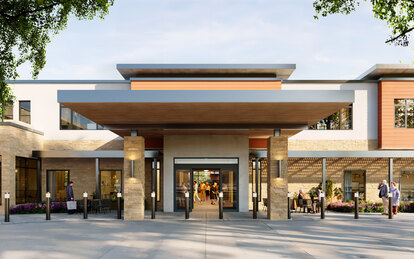
The expectations shaping senior living are changing. People are living longer, remaining active later in life and looking for communities that offer more than care. They want opportunities for connection, purpose, wellness, lifelong learning and choice.
SmithGroup's Longevity Living® philosophy responds to that evolution by shifting the conversation from age to aspiration. For decades, our team has explored how the built environment can help people live well, longer, creating communities that support independence and holistic wellbeing while fostering discovery, joy and meaningful connection.
Today, those ideas are taking on new relevance as owners and operators consider what the next generation of residents will value and how senior living environments can evolve to meet them.
OUR PERSPECTIVES
From wellness and lifelong learning to connection and purpose, resident expectations are reshaping the future of senior living. SmithGroup is applying research, design innovation and decades of experience to create next-generation communities that support independence, engagement and holistic wellbeing, helping older adults live well, longer.
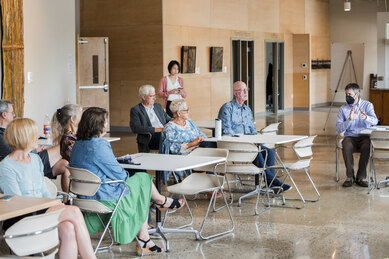
Back to School: How University-Based Retirement Communities Are Redefining Senior Living
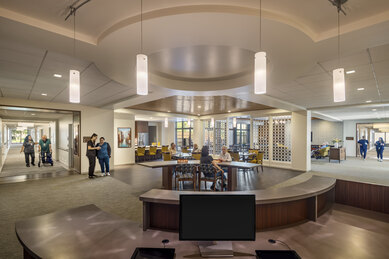
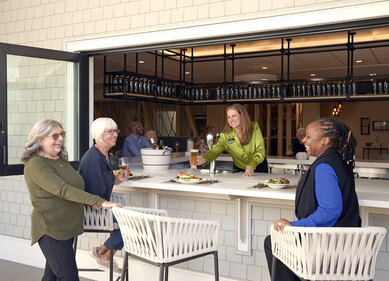
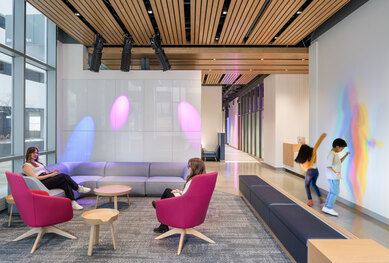
The Science of Living Well: Translating Lessons from Research Labs to Senior Living
Longevity Living®: Designing Around How People Want to Live
As people live longer, senior living environments must evolve beyond traditional models of age and care. SmithGroup’s Longevity Living® philosophy shifts the focus from limitations to possibilities, exploring how design can support independence, wellness, connection and joy throughout every stage of life.
By prioritizing abilities and lifestyle, Longevity Living considers how everything from accessibility and adaptability to nature, social connection and community can contribute to healthier, more fulfilling lives. The goal is not simply to design for aging, but to create environments that empower people to continue living with purpose, choice and a strong sense of belonging.
Designing for Connection and Wellbeing
The future of senior living isn't defined by a single model. Increasingly, we're seeing greater emphasis on environments that support the whole person, from physical and emotional wellbeing to social connection and a sense of belonging.
Our research at The Current South Shore is helping us better understand those relationships in practice. A post-occupancy study examining the experiences of residents and staff provides insights into how design can facilitate social connection, while also identifying opportunities to improve future environments.
That feedback loop is an important part of our approach. Design doesn't stop when a building opens. Understanding how people actually experience a community allows us to carry those lessons forward.
Expanding What Senior Living Can Be
We're also seeing new models emerge that challenge traditional definitions of retirement.
University-Based Retirement Communities are one example. As today's retirees seek lifelong learning and meaningful social connections, communities connected to colleges and universities can provide access to education, culture, recreation and intergenerational experiences.
The model reflects a broader shift: successful senior living communities aren't simply responding to age. They're responding to people's interests, aspirations and desire to remain active participants in the world around them.
Putting ideas into practice
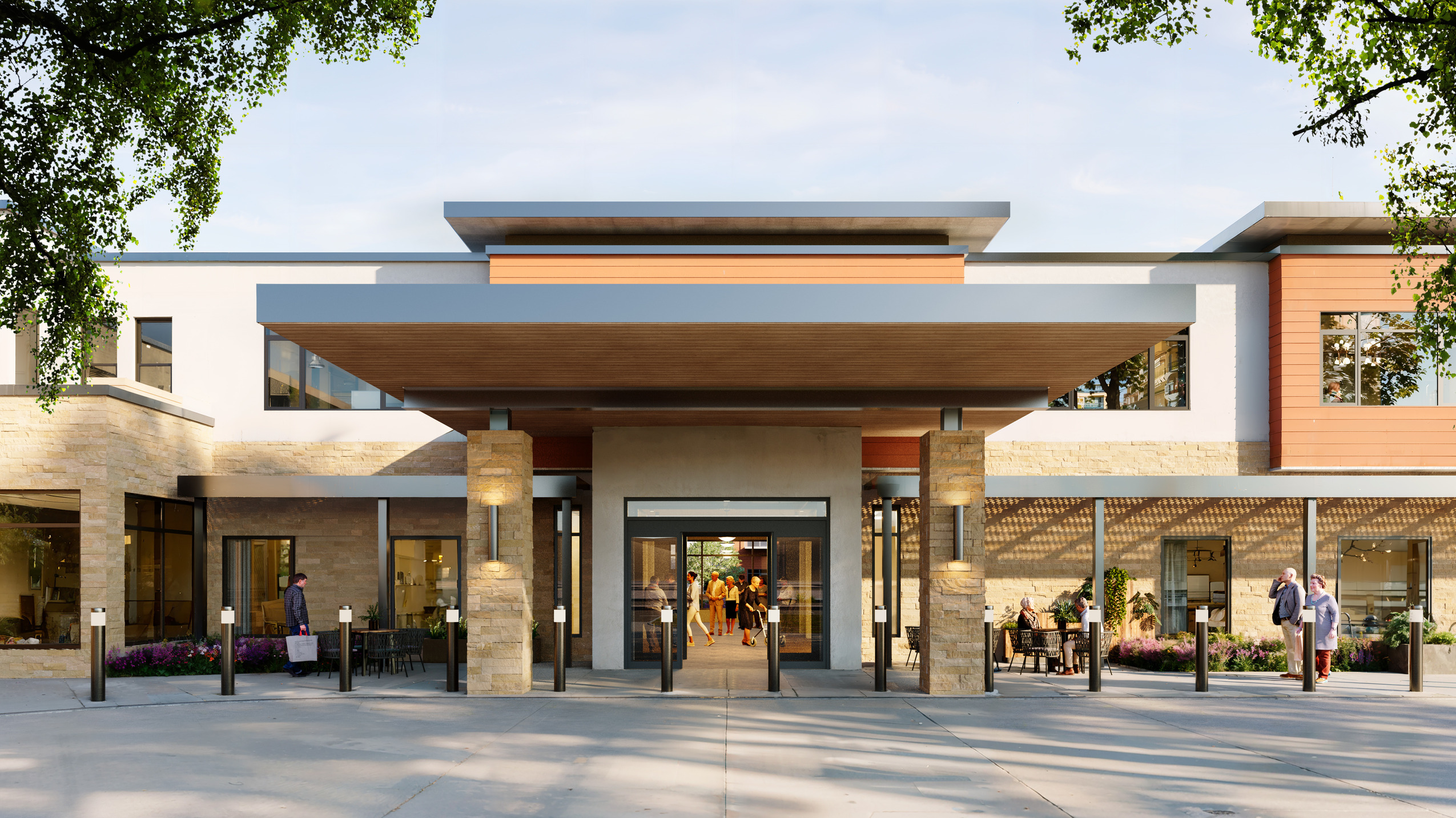
Across our work, these principles take different forms depending on the residents, operator, location and level of care. Together, these communities demonstrate that there is no single expression of Longevity Living. What connects them is a focus on creating environments around how people want to live.
At Calligraphy Napa Valley, hospitality-inspired independent living combines contemporary residences, amenities and gathering spaces designed to encourage active lifestyles and social engagement.
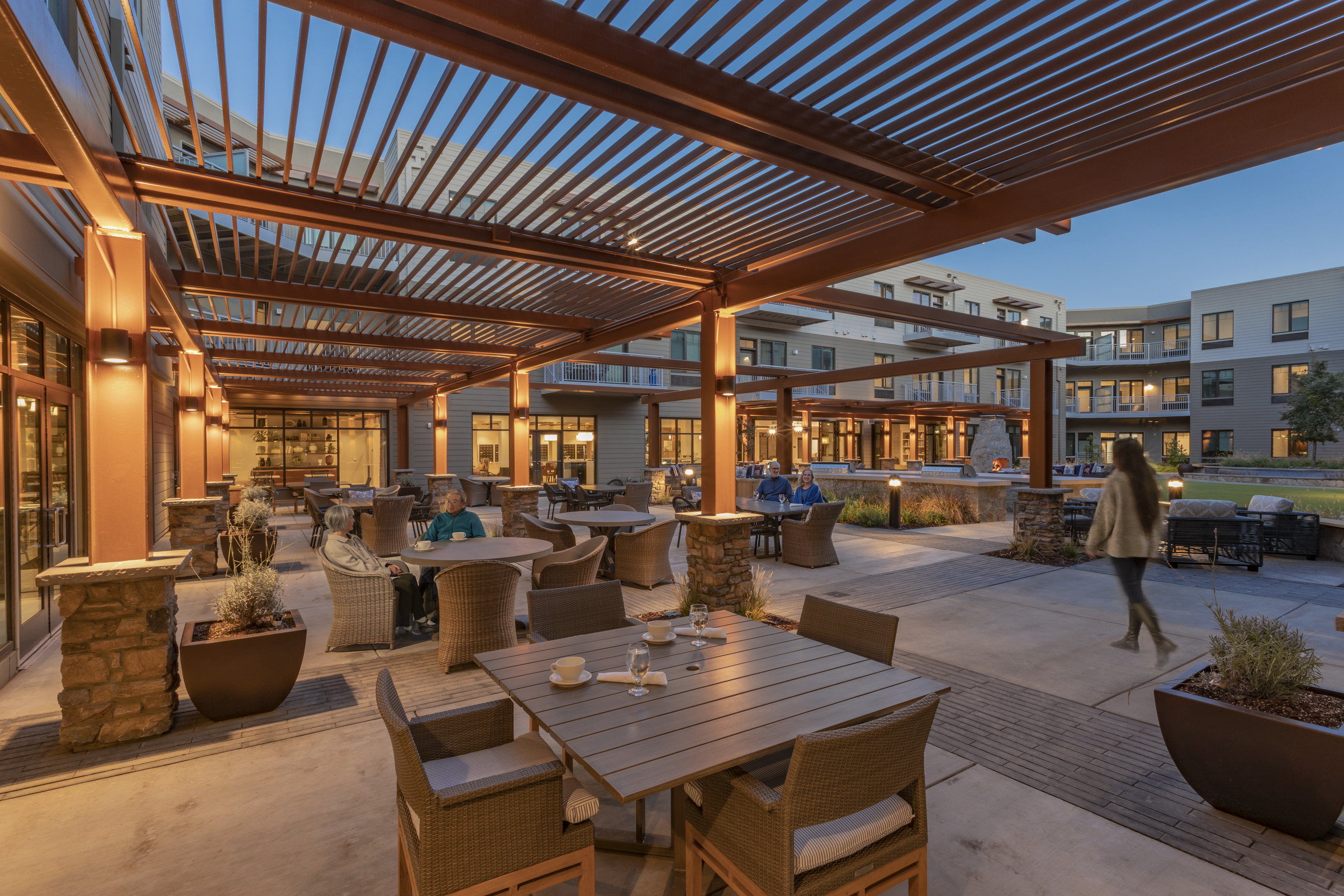
The Reserve at Desert Ridge draws inspiration from the Sonoran Desert to create a wellness-focused environment spanning independent living, assisted living and memory care. Natural materials, landscape and spaces for gathering create a strong sense of place while supporting connection and everyday wellbeing.
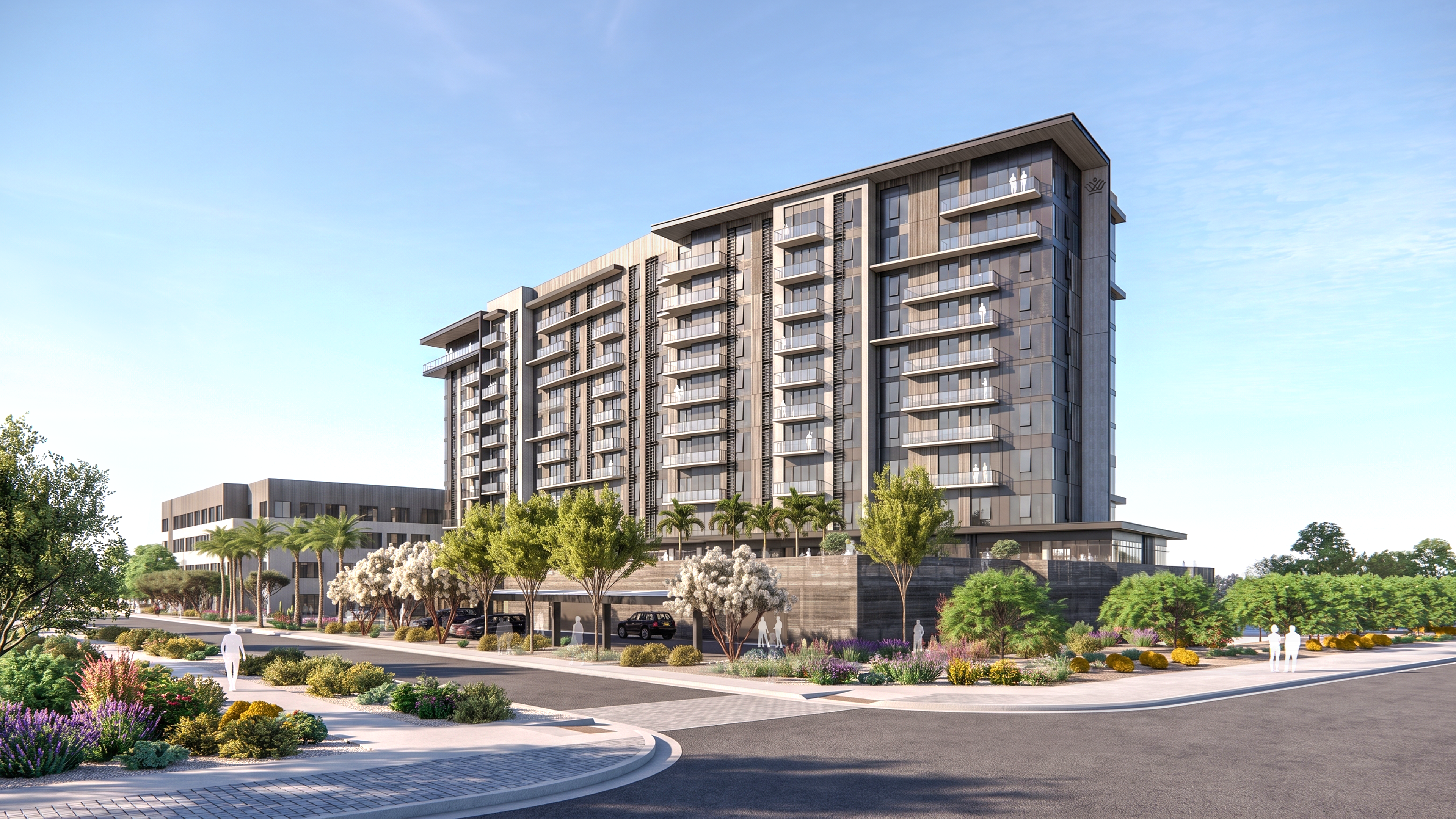
At The Current South Shore, independent living, assisted living and memory care come together within a holistic community designed around wellness and connection, while the community itself is providing valuable research that can inform what comes next.
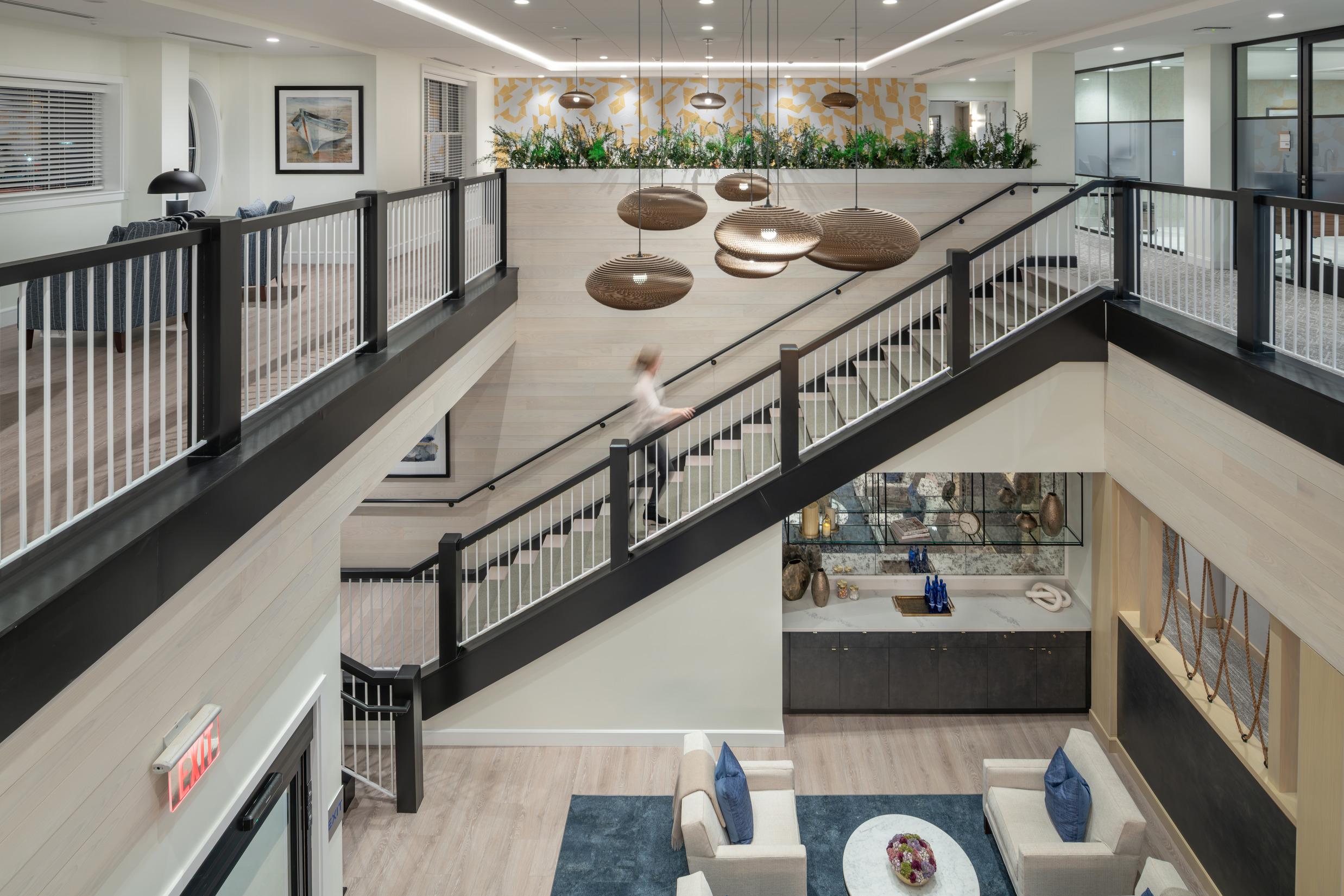
And The Whitford at Dublin brings independent living, assisted living and memory care together in California's Tri-Valley region, creating an environment centered on purpose, comfort and connection.
Looking Ahead
As longevity increases and expectations continue to change, senior living has an opportunity to become something broader: communities that don't retreat from everyday life, but actively connect people to it.
That means continuing to explore new models, listen to residents and staff, apply research and challenge assumptions about what environments for older adults should look and feel like.
The next generation of senior living won't simply be about accommodating longer lives. It will be about designing better experiences for those additional years, with greater independence, connection, purpose and joy.
Related News & Insights
- SmithGroup shares insights on emerging priorities influencing senior living development and design.
- Senior Housing News: 4 Top Senior Living Development and Design Trends
- Explore strategies for creating more accessible housing options as affordability challenges continue to impact older adults.
- Environments for Aging: Affordable Housing Solutions: Bridging the Gap for Senior
- See how this new affordable senior housing community is creating opportunities for connection and community.