Human-Centered Design in an AI-Driven Area: From Headquarters to Civic Spaces
Human-centered design is not typology-specific.
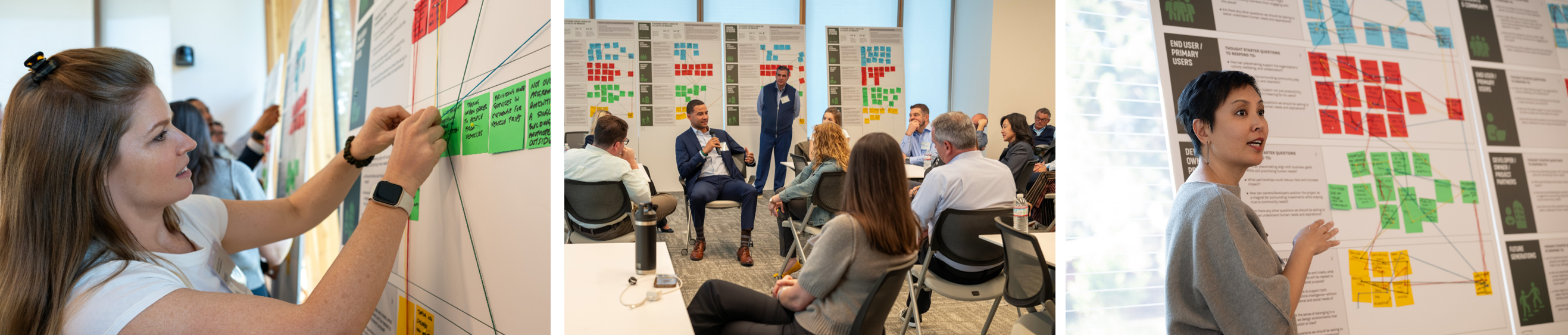
Utilizing SmithGroup's Design Framework for Unlocking Human Potential, we convened a group of top industry leaders, commercial real estate professionals, strategists and designers with the goal of uncovering design opportunities that celebrate and elevate humanity in an AI-driven era. What emerged were ideas and threads that can be woven into the design of physical spaces to create depth, texture and meaning.
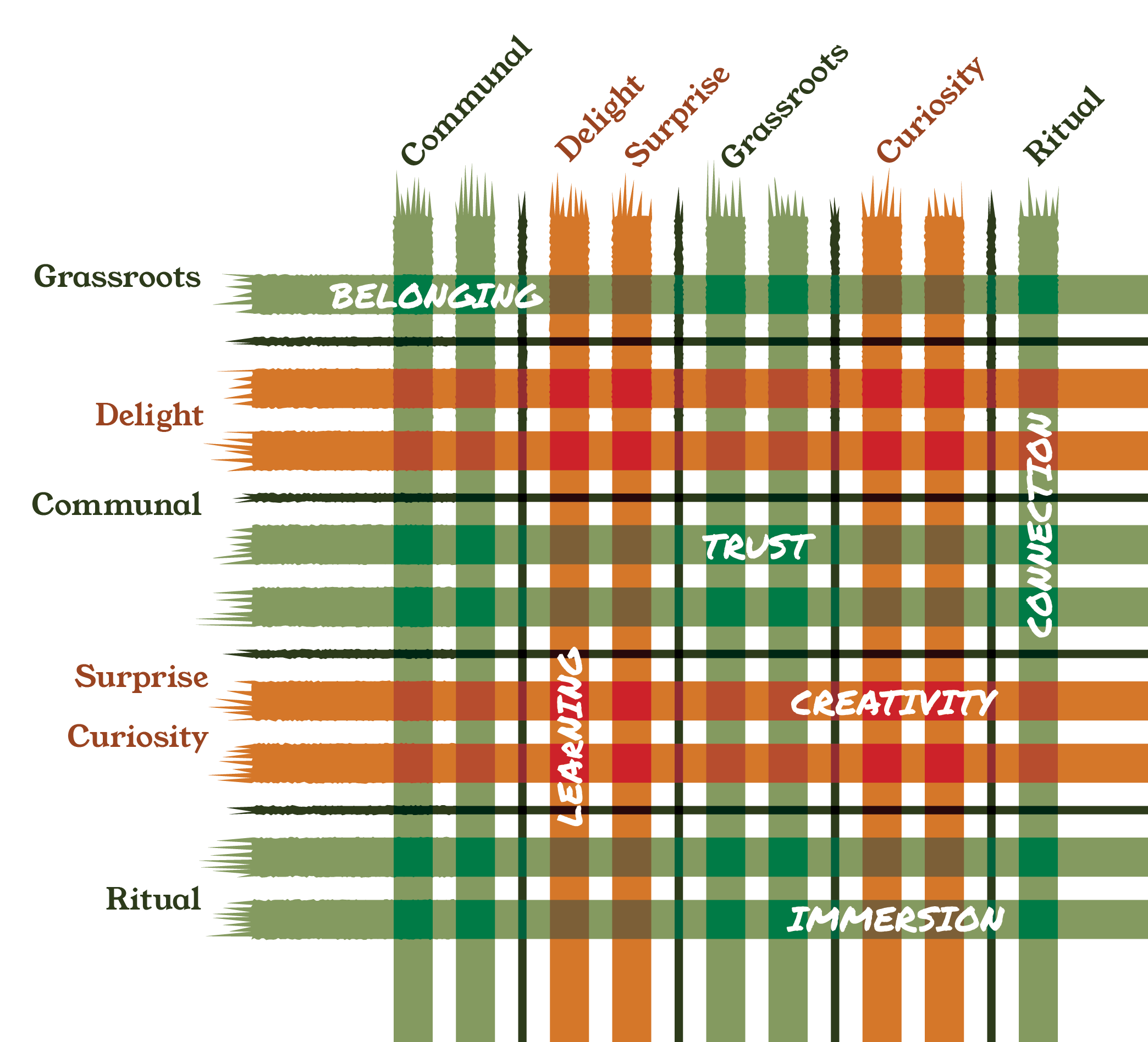
When the tenets of this framework are overlaid, these elements inform design decisions and spark conditions that ignite our uniquely innate human senses to flourish.
When we weave threads like Delight & Surprise with Ritual & Communal, for example, the impact on human performance can be exponential. But these examples are not limited to those connections alone — they illustrate how multiple tenets can intersect to enable and advance intangible factors such as trust, connection, belonging, creativity, learning and immersion.
Following are additional examples, organized by project type, drawn from the workshop exploration:
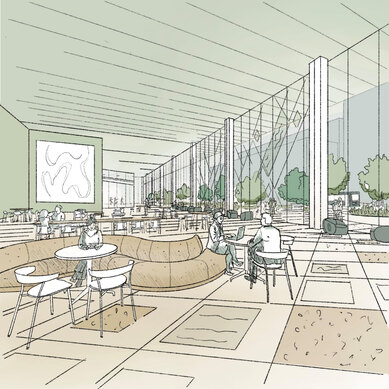
1 | Reimagined Headquarters: Brand-Connected Placemaking
Integrate design elements that reinforce brand identity and trust- such as curated art from a local artist (Delight) that changes seasonally (Surprise), cultural programming, art or dance classes (Communal), and transit-friendly access (Ritual)- to create a sense of belonging, foster trust and continuous learning that help attract and retain top talent.
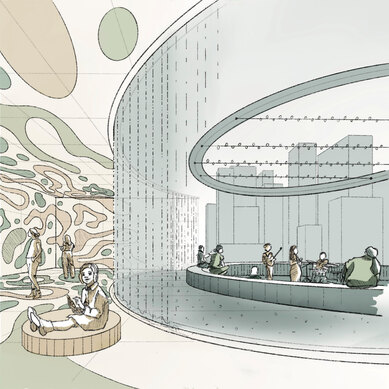
2 | Mixed-Use Headquarters: Interactive & Immersive Experiences
Introduce features like interactive digital displays (Curiosity), music venues with water features (Delight), interactive theatre, outdoor exercise classes, and rooftop multi-functional spaces (Communal) to create immersive engagement beyond traditional office norms while connecting with the greater community.
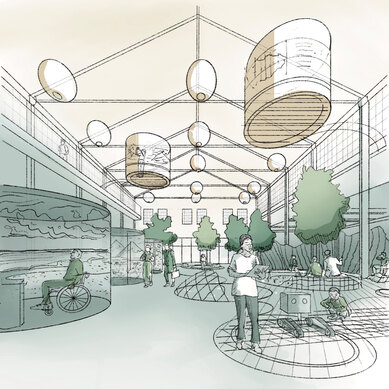
3 | Adaptive Re-Use Warehouse: Innovation Testbeds
Warehouses become living labs (Curiosity) for emerging technologies (Surprise) integrating AI-enabled personalization, and community-driven pilots (Grassroots) to test new ideas with the local residents and community partners (Communal)—to ensure that spaces evolve with society and introducing stimulus through these activities and more will inspire creativity of the next generation of innovation and innovators.
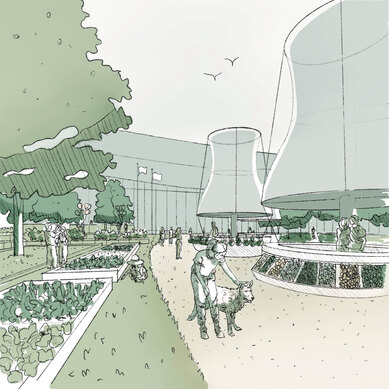
4 | Mixed-Use Civic Center: Intentional Events & Bridging Divides
Implement programming that brings diverse neighbors together (Communal), turning civic centers into hubs for unity and shared experience (Grassroots) including seasonal events (Ritual), farmer's markets, and community celebrations (Delight). Digital living walls pose weekly questions to spark dialogue and shared purpose (Curiosity, Surprise, & Grassroots) that builds trust and sense of belonging through participation.
The clearest insight across typologies was this: The future belongs to places that resist over definition. By blurring public and private boundaries and creating open ended space, these environments invite ownership, creativity, and change. Designed for flexibility and balance—between technology and human respite—they remain relevant because people are empowered to shape them over time. The most resilient places don’t prescribe experience; they make room for it.
To read the full report, click here.