Reclaiming Wellness Opportunities – Large and Small – Across Every Campus
Key Takeaways:
- Campus recreation is changing quickly as student needs shift and many facilities feel outdated.
- Gen Z and Gen Alpha expect tech‑enabled, flexible and wellness‑focused spaces that also support community and restoration.
- Repurposing underused areas and expanding high‑demand zones can modernize facilities at any scale.
- Strategic planning helps departments prioritize updates, align with student needs and guide both large ‑ and small‑scale improvements.
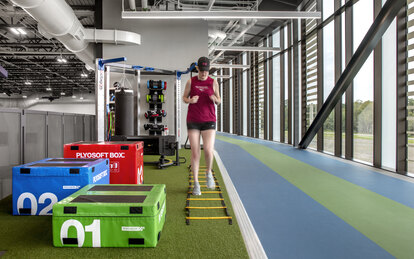
Campus Recreation and Wellness as a field has been transforming since the pandemic. Changing demographics, dynamic student demands, aging facilities and broader campus integration have most departments reconsidering their strategies, structures and spaces. Areas that once met student needs now feel cramped, outdated or inefficient.
At the same time, Generation Z has driven a shift toward modern fitness, whole‑person wellness and integrated technology, momentum that Generation Alpha will only accelerate. Growing up with wearables and constant digital connectivity, they will expect tech‑enabled, flexible and frequently refreshed environments. Students also increasingly seek restorative, community‑oriented places that support connection and offer relief from daily pressures. Together, these forces create strong opportunities to repurpose underused areas, expand high‑demand zones and invest in updates of all sizes to meet the expectations of current and future generations.
Start With Strategy
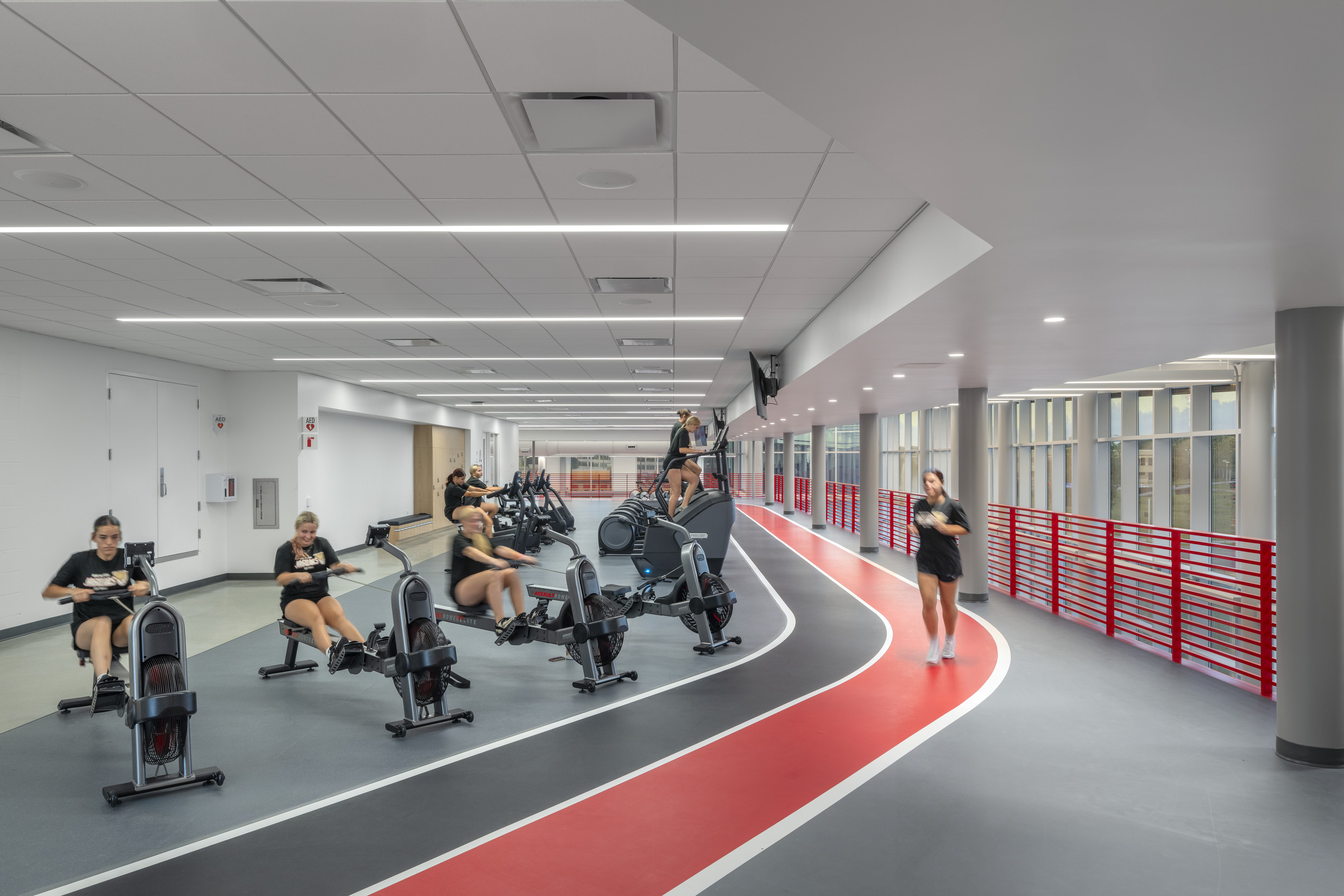
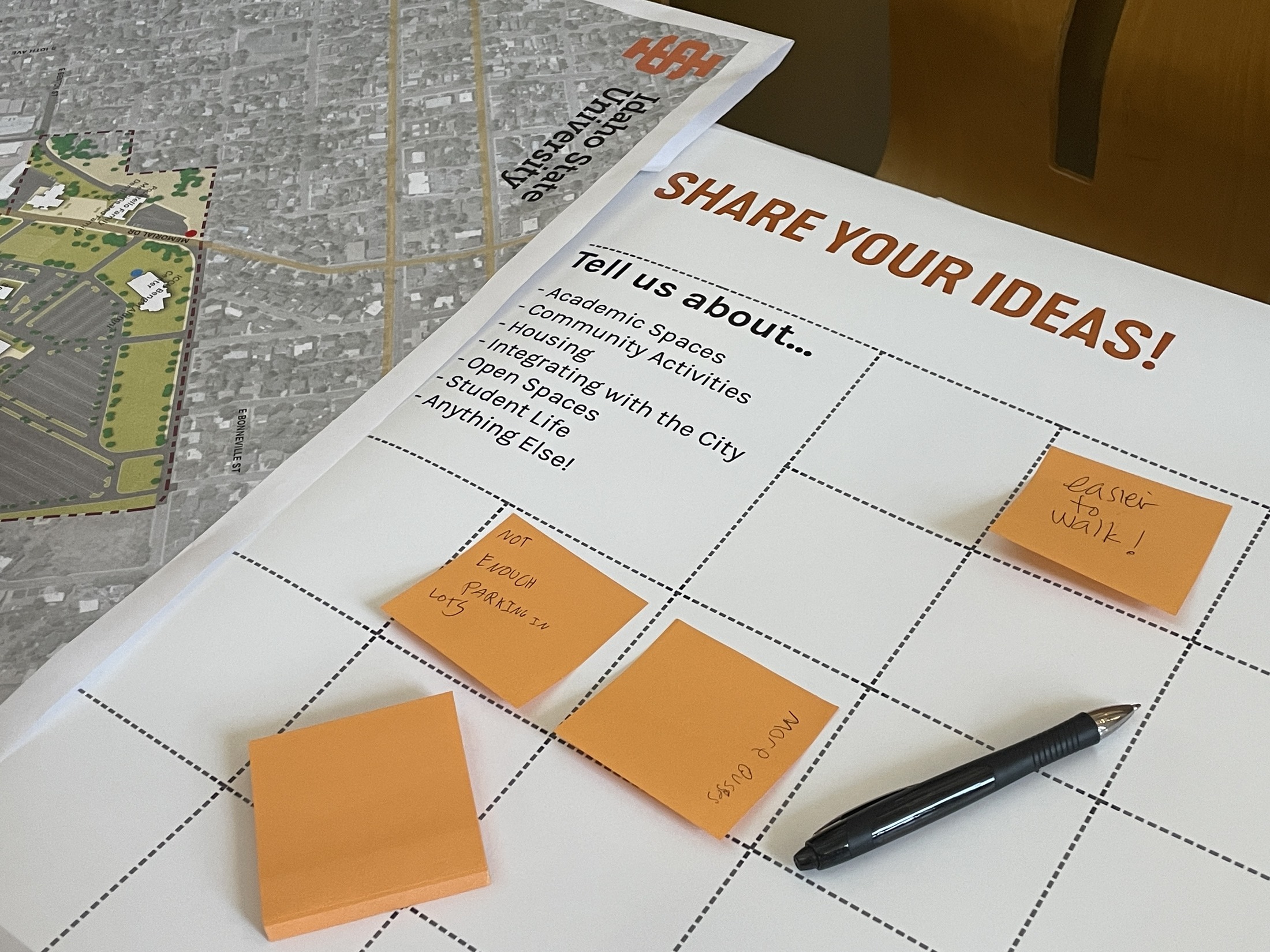
Existing spaces can be transformed for the next generation through creative thinking, intentional planning and a strong student voice. All updates – large or small – require thoughtful preparation and broad buy‑in. Smaller repurposing projects can often be completed during academic breaks, while larger changes may require coordinated planning to minimize disruption. A departmental master plan helps leaders assess current assets and set a clear course for both near‑term improvements and long‑term expansion.
Large-Scale Facility Transformations
Large-scale projects to repurpose spaces might focus on utilizing existing square footage for greater public use. Repurposing spaces to create greater square footage for strength training is the strongest trend in facility renovations right now. At the 2026 NIRSA + IDEA World Conference & Expo, facility operators echoed this demand. Students want more open spaces to lift, push and pull. Recreation leaders are tasked with reconsidering their fitness floor with the future in mind. There are a range of options, depending on the ability to invest:
- Refresh equipment layout: Rearrange or relocate fitness equipment to update the aesthetic and better match user preferences.
- Expand semi‑private training zones: Transition personal training suites into semi‑private fitness spaces to increase access and extend usable hours.
- Repurpose aquatics areas: Convert outdated or underused aquatics spaces into fitness zones, sport courts or flexible event space.
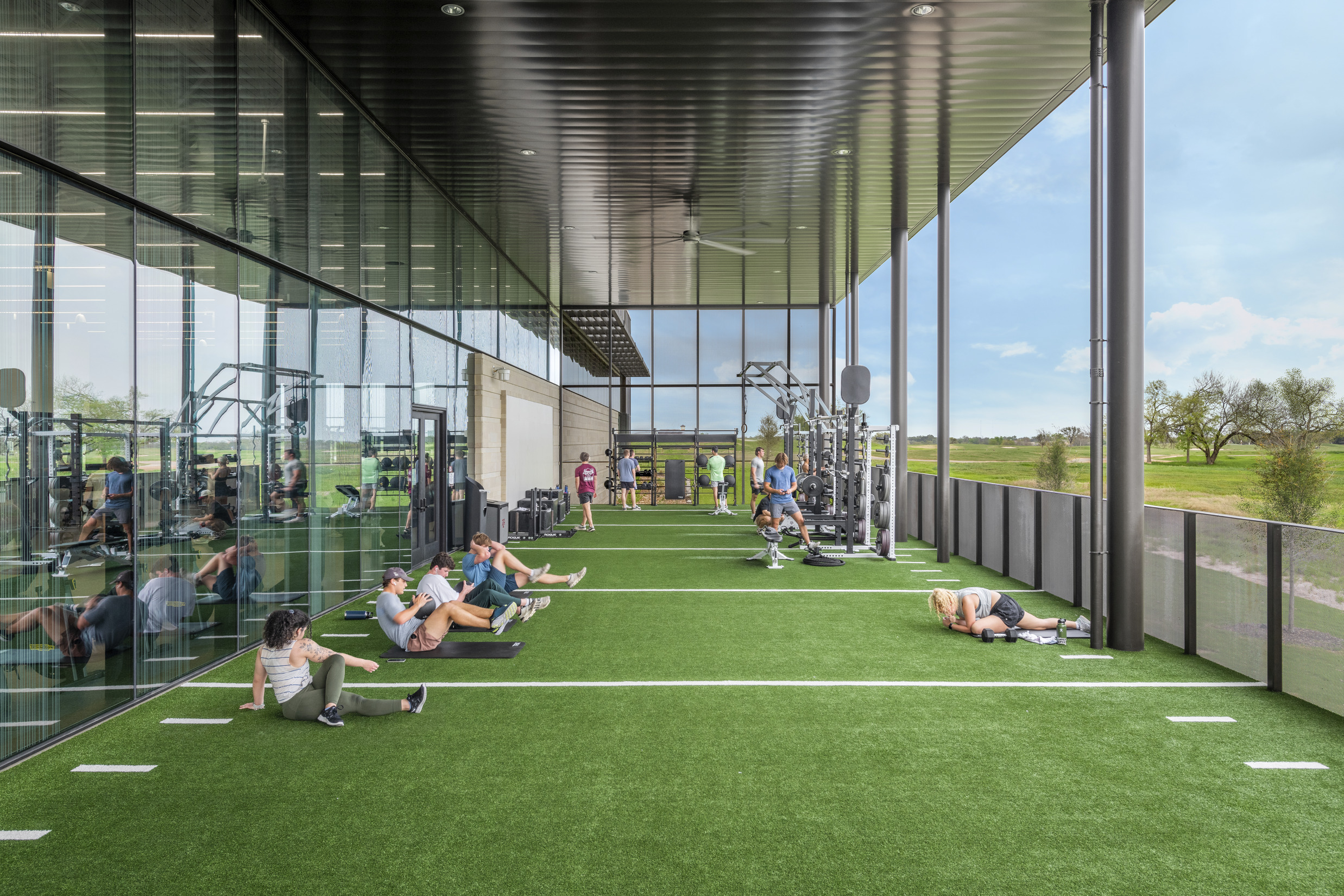
- Activate exterior environments: Transform outdoor areas into fitness pads or turfed terraces.
- Reinvent racquetball courts: Convert these rectangular rooms into fitness studios, gaming lounges, bouldering spaces, or other creative program areas that expand capacity and diversify offerings.
- Leverage third‑party partnerships: Utilize underused spaces to generate revenue and introduce new student experiences through strategic partnerships.
Small-Scale Wellness Considerations
Another trend emerging with a lot of steam (pun intended) at the 2026 NIRSA + IDEA World Conference & Expo is wellness. Students want soft spaces to relax, and spa-like amenities such as saunas, plunge tubs and massage chairs. They also want more space to “just be”, without being programmed. Both active and quiet lounge spaces support student wellbeing. Active lounges support socialization, play and authentic connection. Quiet lounges support rest, de-stimulation and reprieve. Some small‑scale wellness facility updates include:
- Create flexible lounge or study zones: Use furniture creatively to establish small, inviting student lounges or study areas.
- Add compact recovery amenities: Introduce massage chairs, compression boots, and other recovery tools that deliver high impact with minimal space.
- Incorporate soft‑wellness features: Provide calming, restorative amenities that signal holistic well‑being and attract new users.
- Activate outdoor areas: Transform under‑utilized exterior spaces into outdoor lounges or hammock parks.
- Modernize lobby environments: Replace rigid, traditional lobby furniture with movable, tactile, and comfortable pieces that encourage students to linger.